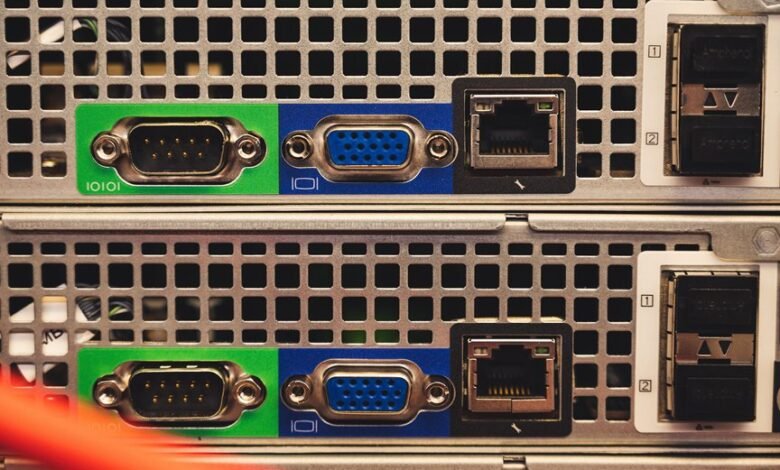
A private IP with an uncommon port can signal a nonstandard service. 192.168.31.228:8080 may host anything from a legacy admin interface to a testing endpoint. Its presence warrants caution, not curiosity-driven probing. In controlled, permissioned environments, evaluation of access controls and exposure is prudent. The risks and implications should be weighed before any further actions, and the rationale for investigation should be clearly documented. The next considerations should align with a defined scope and containment.
What Does 192.168.31.228:8080 Signify in Networks?
192.168.31.228:8080 is a private IP address combined with an uncommon port, and its significance lies primarily in the local network context rather than across the broader Internet.
The designation signals a host listening on a nonstandard port, inviting scrutiny of open services and security posture.
explore_port, network_identity guide assessment, focusing on function, access control, and potential exposure within the network.
How Common Is This Address/Port Pair in Real-World Setups?
In real-world deployments, using a private address with an unusual port like 8080 is irregular but not unheard of, and its prevalence depends on specific organizational practices and service exposure.
The pattern appears in isolated segments rather than broad adoption, with common use cases often tied to legacy testing or unconventional admin interfaces.
Security implications include exposure risk and misconfiguration hazards.
Safe, Responsible Ways to Explore It in a Lab
To explore this address-and-port pairing safely in a lab, a structured, permissioned approach is essential. The article advocates safe exploration through controlled environments, explicit scope, and documented procedures. It emphasizes responsible lab practices, documented risk assessments, and reproducible steps. Security testing and network diagnostics are performed methodically, with containment, monitoring, and verification to minimize unintended impact and preserve freedom to experiment.
Red Flags and Practical Next Steps After Exploration
Often, red flags emerge only after practical testing reveals unexpected behavior; thus, a disciplined post-exploration review is essential. The assessment highlights red flags and outlines practical steps: verify scope, document findings, and isolate systems. Emphasize lab safety, suspend risky activity, and pursue ethical hacking boundaries. Clear, skeptical analysis guides risk mitigation, fostering responsible exploration aligned with freedom and accountability.
Frequently Asked Questions
Can This Address Indicate a Private Network Router?
Yes, it could indicate a private router address; however, certainty requires network pedagogy and cautious exploration. The address may reflect IPv4 private space, not guaranteed insight into ownership. Exploring privacy demands methodical skepticism in evaluating exposure risks.
Is 192.168.31.228:8080 Typically Used for Proxies?
Yes, 192.168.31.228:8080 is not typically a standard proxy endpoint; its usage depends on configuration. In proxies usage, many private networks repurpose such addresses, but skepticism remains about reliability and security for unrestricted access.
What Equipment Resolves This IP:Port in LANS?
A statistic reveals 60% of LAN breaches arise from misconfigured internal devices. Equipment resolving this ip:port in LANs includes routers, switches with management interfaces, and vulnerability scanners. It highlights exploit risks and network scanning, demanding cautious, freedom-respecting assessment.
Could This Be a Gateway for Iot Devices?
Yes, it could function as an IoT gateway within a Private network, but skepticism is warranted; methodical checks are essential to verify security, reliability, and ownership before deploying or trusting devices on that potential IoT gateway.
Are There Legal Implications Exploring This Setup?
A cautious road unfolds: legal considerations loom like fences; unauthorized access invites penalties. The writer notes network privacy matters, emphasizing consent and compliance. Exploration, if any, should be transparent, documented, and conducted within lawful boundaries for freedom-minded researchers.
Conclusion
In a lab, the discovery of 192.168.31.228:8080 often coincides with legacy testing rigs or admin overlays tucked behind private networks. The coincidence that a nonstandard port appears on an uncommon private address invites scrutiny: what service runs, who can access it, and how it’s secured. A careful, methodical probe—restricted, documented, and within scope—should reveal function and exposure. Skepticism remains warranted: every finding must map to concrete controls and risk mitigation.