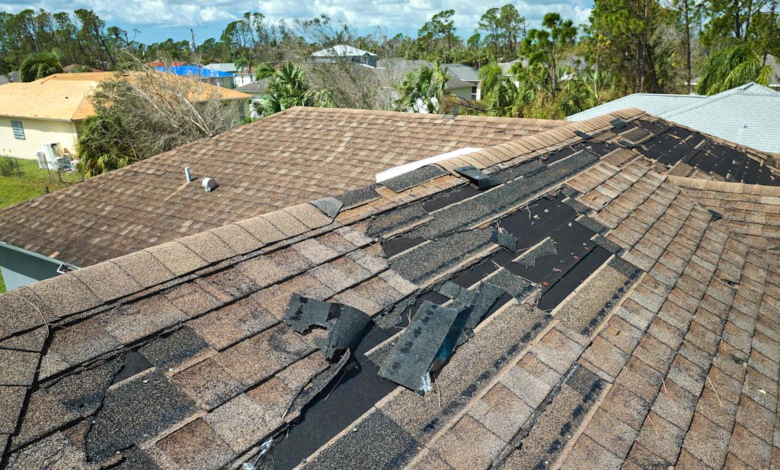
Texas weather can be unpredictable, especially for homeowners dealing with intense summer heat, heavy rainstorms, hail, and seasonal wind damage. A roof is one of the most important parts of a home, yet many people only think about it when a leak appears or shingles begin to fail. Preventive care and informed maintenance decisions can help homeowners avoid expensive repairs and significantly extend the lifespan of their roofing system.
In cities like San Antonio, where temperatures regularly climb and storms can develop quickly, roofs experience constant stress throughout the year. Understanding how climate affects roofing materials and learning what maintenance practices matter most can help homeowners protect both their property and long-term investment.
Why Climate Matters for Roof Longevity
Different regions place different demands on roofing systems. In South Texas, prolonged UV exposure is one of the leading causes of roofing deterioration. Sunlight gradually weakens shingles, dries out protective oils, and causes materials to crack over time.
At the same time, sudden storms can introduce additional risks such as:
- Water intrusion from damaged flashing
- Hail impact that weakens shingles
- Wind uplift that loosens roofing materials
- Mold or algae growth caused by trapped moisture
- Gutter overflow that affects roof edges and drainage
These issues often begin small but become larger structural concerns if left untreated. A minor leak can eventually affect insulation, ceilings, framing, and even indoor air quality.
See also: How to Choose the Right Elevator for Your Home
The Importance of Routine Roof Inspections
One of the simplest ways to extend roof life is through regular inspections. Many homeowners assume a roof is fine if there are no visible leaks indoors, but exterior damage can exist long before moisture becomes noticeable.
A professional inspection can identify subtle signs of wear such as curling shingles, deteriorating flashing, soft decking areas, or clogged drainage systems. Scheduling inspections after severe weather events is especially important in regions that experience hail or strong winds.
Homeowners should also perform occasional visual checks from the ground. Warning signs that may indicate roofing problems include:
Common Early Indicators
- Missing or lifted shingles
- Granules accumulating near downspouts
- Sagging roof lines
- Water stains on ceilings
- Dark streaks or algae growth
- Damaged flashing around vents or chimneys
Catching these issues early often means smaller repairs instead of complete roof replacement.
Choosing Materials That Match the Environment
Not all roofing materials perform equally in every climate. Homeowners who plan for long-term durability should consider materials specifically suited for high heat and storm resistance.
Asphalt shingles remain popular because they are cost-effective and widely available, but higher-grade architectural shingles typically last longer under harsh weather conditions. Metal roofing has also gained popularity due to its durability, energy efficiency, and ability to withstand wind and rain.
Tile roofing is another option often seen in warmer climates because of its heat resistance and visual appeal. However, tile systems may require additional structural support because of their weight.
When evaluating roofing upgrades or replacements, homeowners often benefit from consulting local specialists familiar with regional weather patterns and building requirements. Resources related to roofing San Antonio can provide useful context about climate-specific roofing considerations and maintenance strategies.
Ventilation Plays a Bigger Role Than Many Realize
Roof longevity is not determined solely by exterior materials. Proper attic ventilation also has a major impact on performance.
Without sufficient airflow, heat and moisture become trapped inside the attic. Over time, this can accelerate shingle deterioration, increase cooling costs, and contribute to mold growth or wood rot.
A balanced ventilation system generally includes:
- Intake vents that allow cooler air inside
- Exhaust vents that release trapped hot air
- Proper insulation to reduce heat transfer
- Adequate airflow across attic spaces
In warmer climates, poor ventilation can dramatically shorten a roof’s lifespan. Homeowners who notice unusually high attic temperatures or inconsistent indoor cooling may want to evaluate ventilation conditions alongside roofing inspections.
Gutters and Drainage Should Never Be Ignored
Many roofing issues actually begin with poor drainage. Gutters are designed to direct rainwater away from the roof and foundation, but clogged or damaged systems can create standing water and overflow problems.
Leaves, debris, and dirt can accumulate quickly, especially after storms. When water cannot flow properly, moisture may seep beneath roofing materials or pool near vulnerable edges.
Regular gutter maintenance helps reduce:
- Fascia damage
- Water intrusion near roof edges
- Soil erosion around the home
- Foundation moisture problems
- Premature roof deterioration
Homeowners should inspect gutters seasonally and after severe weather to ensure downspouts remain clear and securely attached.
Storm Damage Is Not Always Obvious
One challenge many homeowners face is identifying storm damage that is not immediately visible. Hail impacts can bruise shingles beneath the surface, while strong winds may loosen seals without tearing materials completely away.
Because damage is sometimes subtle, delaying inspections after storms can allow hidden problems to worsen over time. Water infiltration may occur gradually, making repairs more extensive and expensive later.
Photographing the roof periodically can help homeowners compare conditions over time and document any sudden changes after severe weather events.
Maintenance Habits That Make a Difference
Roof care does not have to be complicated, but consistency matters. Homeowners who stay proactive typically avoid the largest repair costs.
Here are several practical habits that help extend roof performance:
Simple Preventive Maintenance Tips
- Trim overhanging tree branches
- Remove debris after storms
- Schedule annual roof inspections
- Address minor leaks quickly
- Keep gutters clean and functional
- Check attic ventilation periodically
- Watch for signs of moisture indoors
These small efforts can collectively add years to a roofing system.
Energy Efficiency and Roofing Performance
Modern roofing systems also influence household energy efficiency. Reflective materials, improved insulation, and ventilation upgrades can reduce indoor heat buildup and lower cooling demands.
This becomes especially valuable in hot climates where air conditioning systems operate heavily during summer months. Some roofing materials are specifically designed to reflect more sunlight and absorb less heat.
Energy-efficient roofing improvements may help homeowners:
- Reduce monthly utility costs
- Improve indoor comfort
- Minimize attic heat accumulation
- Extend HVAC system lifespan
- Increase overall home value
While aesthetics often influence roofing choices, performance and efficiency should remain equally important considerations.
Planning Ahead Saves Money
Many expensive roofing problems result from delayed action. Homeowners sometimes postpone maintenance because the roof appears functional from the outside, only to face larger structural issues later.
Planning ahead allows property owners to budget for repairs gradually instead of dealing with emergency replacements. It also provides more flexibility when choosing contractors, materials, and timelines.
Even newer roofs benefit from regular evaluation because weather exposure affects every roofing system differently depending on installation quality, ventilation, drainage, and environmental conditions.
Conclusion
A roof is more than just a protective covering. It plays a central role in energy efficiency, structural integrity, and overall home value. In climates with intense heat, heavy storms, and fluctuating weather patterns, proactive maintenance becomes especially important.
Homeowners who invest time in inspections, ventilation, drainage maintenance, and early repairs are far more likely to maximize the lifespan of their roofing systems. By understanding how regional conditions affect roofing materials and staying attentive to warning signs, property owners can avoid unnecessary costs while protecting their homes for years to come.