There is a certain charm about older residences that you just don’t get in the newer ones. Many desire to live in them for their design, workmanship and individuality. But older plumbing systems might have difficulties you would not expect until they arise. Older buildings have a lot of blocked drainage problems. A sluggish drain or a terrible smell can seem like minor issues, but they tend to be symptoms of much larger issues that aren’t evident.
If we can learn what causes drains to become blocked in older houses, we may take efforts to prevent costly repairs.
Aging Pipe Materials
Many historic houses were designed using plumbing materials that are seldom utilised nowadays. Clay, cast iron, and galvanised steel pipes were formerly ubiquitous; they naturally break down over time.
Water pipes made of cast iron may corrode on the inside, reducing the area for water to flow. Clay pipes are sturdy but may be fractured by ground movement over a long period of years. Galvanised steel may corrode on the inside, which decreases the pipe width over time.
As these materials age, even small amounts of debris can create significant blockages. This is why many homeowners seek expert assistance with blocked drains in Turramurra when recurring drainage issues begin appearing in older homes.
Tree Root Intrusion
Tree roots are one of the primary reasons drains become blocked in established areas. Mature tree roots often develop towards water sources, making underwater sewage and drainage systems an ideal target.
Roots may enter the drainage system via tiny gaps or loose pipe couplings. Once inside, the roots continue to grow and clog the pipes with oil, paper, leaves and other garbage. Over time, the barrier increases until water can not pass through as readily. If not removed and examined by an expert, roots may damage pipes and entirely block drainage.
Grease And Household Waste Accumulation
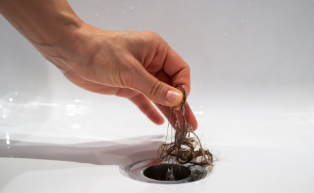
Most drainage problems develop gradually over time, rather than all at once. Over time, cooking oil, soap, food scraps, coffee grounds, hair and personal care items build up slowly on pipe walls.
Older plumbing frequently has a rough interior from rust or mineral buildup, which makes debris more likely to become trapped, even more quickly than in modern lines.
Each deposit may be small, but over decades, they pile up, slowing water flow and making recurring jams more probable.
Pipe Misalignment And Ground Movement
Older houses tend to sink into the ground gradually over time. Changes in seasons, activities going on nearby, heavy rain and moving earth may progressively displace subterranean drainage systems.
If pipes are a little out of alignment, wastewater does not flow as well as it should. Trash and other things that aren’t going to the sewage system accumulate in low locations. And over time, such sites grow into areas where rubbish collects and creates huge difficulties. These structural flaws may be identified by specialists before they lead to the drain’s total failure.
Mineral Deposits From Hard Water
Hard water contains dissolved minerals (such as calcium and magnesium). These minerals build up on the inside of the pipes as water runs through them again and over for many years.
As time passes, the deposits thicken, and there is less space for water to circulate. Minerals pile up and, mixed with grease and household debris, may form tough blockages that drain cleaners alone can’t get rid of.
Routine maintenance is a good way to keep sewage systems running correctly and to lessen the amount of buildup that occurs.
Damaged Or Collapsed Pipes
All plumbing systems age over time. Older subterranean lines may fracture, tumble, or partially collapse due to corrosion, severe loads above, or natural wear and tear.
Even a little damage to the structure provides spots where trash might be caught. These fractured pieces keep eating garbage until the drainage slows or ceases entirely.
Even after cleaning the drain, if a homeowner continues to have backups, expert aid with blocked drains in Turramurra can determine whether the issue is caused by damaged pipes.
Everyday Habits That Contribute To Blockages
Ageing infrastructure is a large part of the issue, but daily activities in the house also influence how effectively drains perform. All these activities may cause clogs to occur more quickly, such as flushing objects that shouldn’t be flushed, pouring grease down kitchen drains, washing too much food waste down drains and allowing hair to accumulate in bathroom drains.
Simple measures like disposing of grease properly, avoiding the removal of non-biodegradable materials and using sink strainers may help prevent plumbing issues in the future.
If you start to see sluggish draining, gurgling noises or foul odours, then you need to call in a professional to assist you with your clogged drains in Turramurra immediately. The sooner you have the issue fixed, the better.
See also: gazettepmu
Conclusion
Drains that become blocked in older houses seldom have just one reason. Drainage problems may be the result of outdated pipe materials, tree roots invading the pipes, grease accumulation, mineral deposits, structural movement, damaged pipes, and years of regular wear and tear. Knowing the causes of these problems helps consumers to identify the warning signals early and take action before they need to make costly repairs.
“Regular checks, common sense home habits, and regular maintenance are still the best ways to protect older water systems. If there are drainage difficulties for a long period of time, it is vital to acquire the expert services of blocked drains Turramurra to ensure that the actual reason is located and rectified. This safeguards the plumbing system and the long-term worth of the property.